Common House Cleaning Myths Debunked by Experts


Introduction to House Cleaning Myths
Cleaning your home is an essential task that keeps your living environment healthy and pleasant. However, there are numerous myths about house cleaning that can mislead even the most diligent cleaners. In this post, we'll debunk some of the most common myths with insights from cleaning experts.
Myth 1: More Soap Means a Better Clean
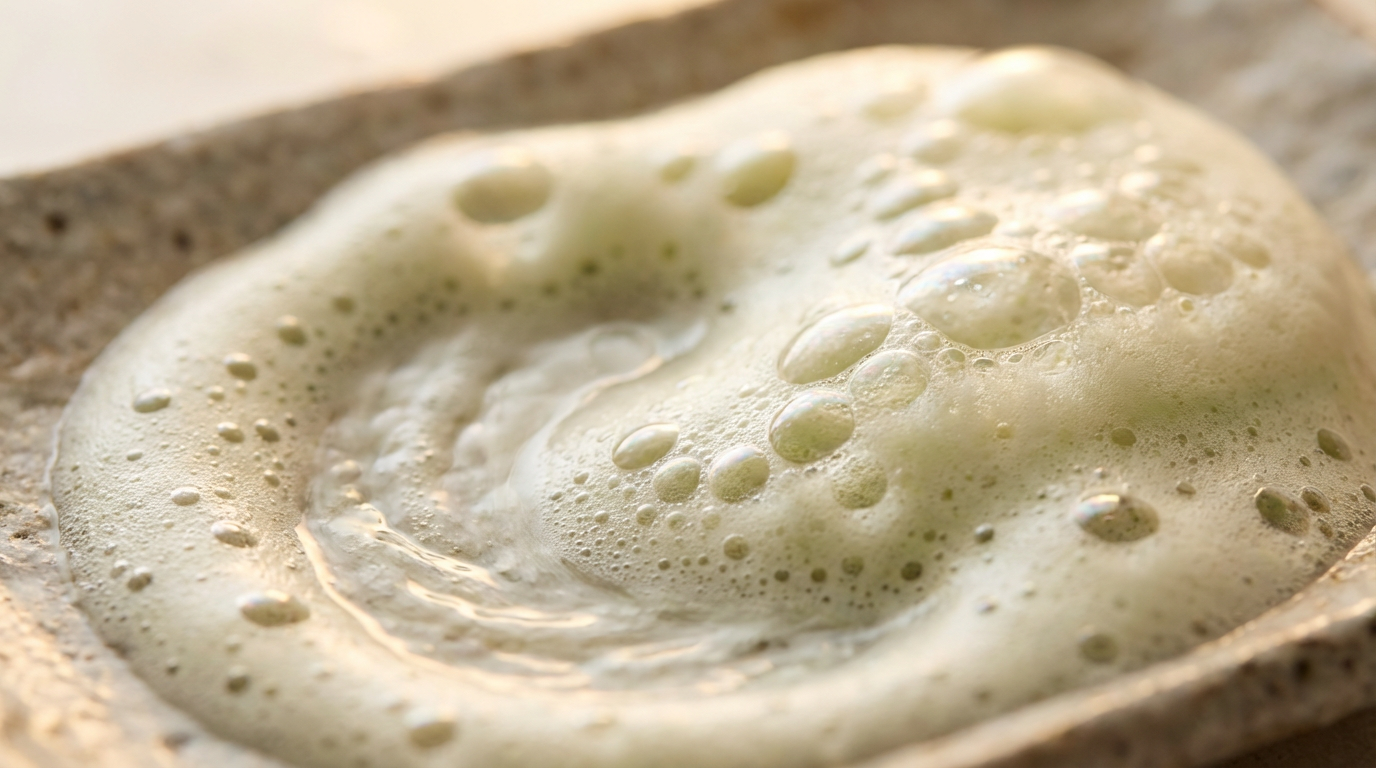
Many people believe that using more soap will result in a cleaner surface. However, this is a misconception. In reality, using too much soap can leave a residue that attracts more dirt and grime. Experts recommend using the recommended amount on the product label to ensure effective cleaning without residue.
Why Less Is More
Excessive soap can lead to buildup, especially on floors and countertops. This buildup not only dulls the surface but can also make it sticky and attract dust. It's crucial to rinse surfaces thoroughly to avoid these issues.
Myth 2: Vinegar Cleans Everything
Vinegar is often touted as a miracle cleaner for all surfaces, but it's not universally effective. While vinegar is great for cutting through grease and disinfecting, it's not suitable for all materials. For example, using vinegar on natural stone surfaces like granite or marble can cause etching and dulling.
Understanding Vinegar's Limitations
Vinegar is acidic and can damage certain surfaces. Instead, opt for a pH-neutral cleaner for delicate materials. Always test in a small, inconspicuous area if you're unsure about a cleaner's compatibility.

Myth 3: Bleach is the Ultimate Disinfectant
While bleach is a powerful disinfectant, it’s not the be-all and end-all of cleaning solutions. It's highly effective in killing germs, but it's not a cleaner. Bleach doesn't remove dirt or grime; it sanitizes surfaces after they have been cleaned.
Proper Use of Bleach
To maximize bleach's effectiveness, clean surfaces with a detergent first to remove dirt, then apply a bleach solution for disinfection. Always follow the manufacturer's instructions to ensure safe and effective use.

Myth 4: Dusting is Only for Aesthetics
Dusting isn't just about making your home look clean. Regular dusting helps improve indoor air quality by removing allergens and dust mites that can trigger respiratory issues. Skipping dusting can lead to a buildup of allergens, impacting your health.
The Health Benefits of Dusting
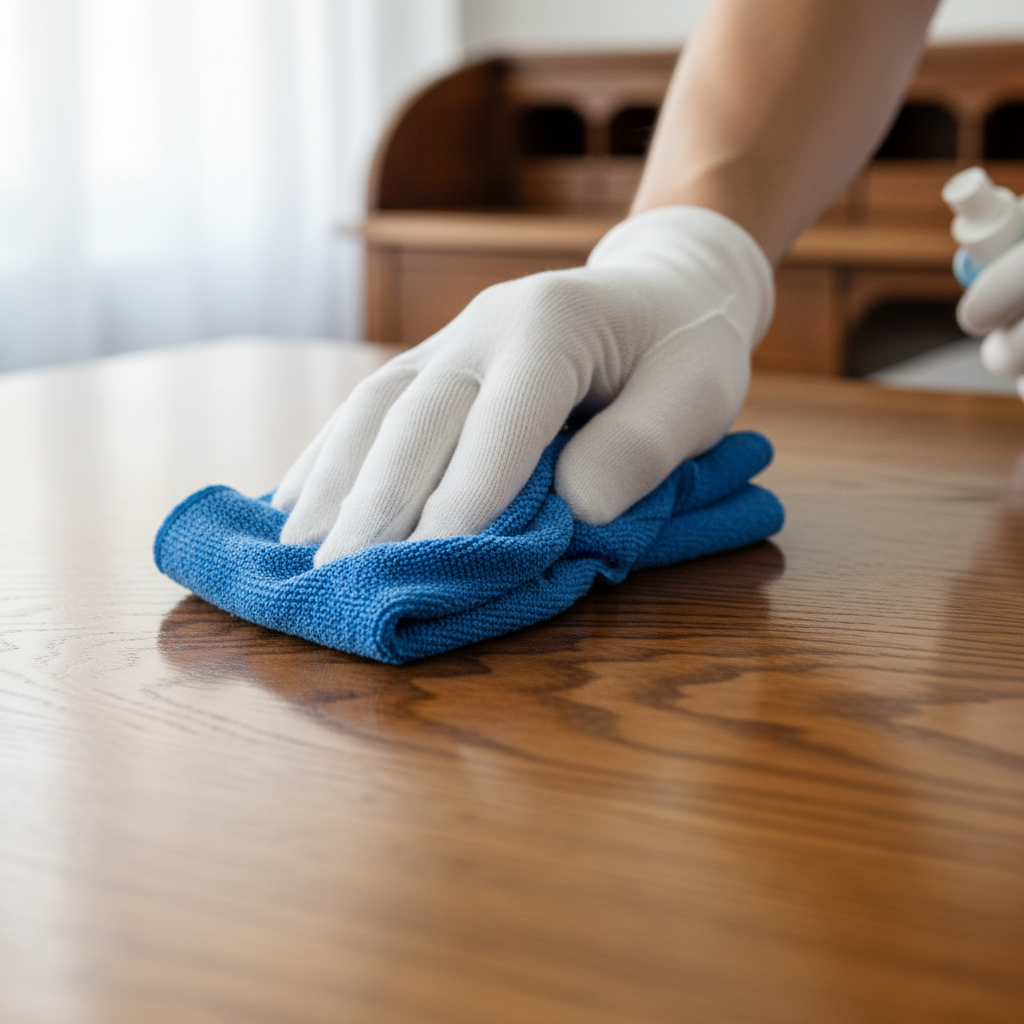
In addition to improving air quality, dusting helps extend the life of your furniture by preventing the gradual wear that dust particles can cause. Use a microfiber cloth to effectively trap dust rather than simply moving it around.
Conclusion: Cleaning Smarter, Not Harder
Understanding the truths behind these common cleaning myths can help you maintain a cleaner and healthier home. By using the right techniques and products, you can ensure that your cleaning efforts are both efficient and effective. Always stay informed and consult expert advice when in doubt about cleaning practices.